Storm-related power outages can disrupt lighting, refrigeration, communication, cooling, and essential medical equipment. Preparing before severe weather arrivehold. From assembling supplies to testing backup power, a practical outage plan helps your home remain safer, more comfortable, and functional when electricity becomes unavailable unexpectedly.
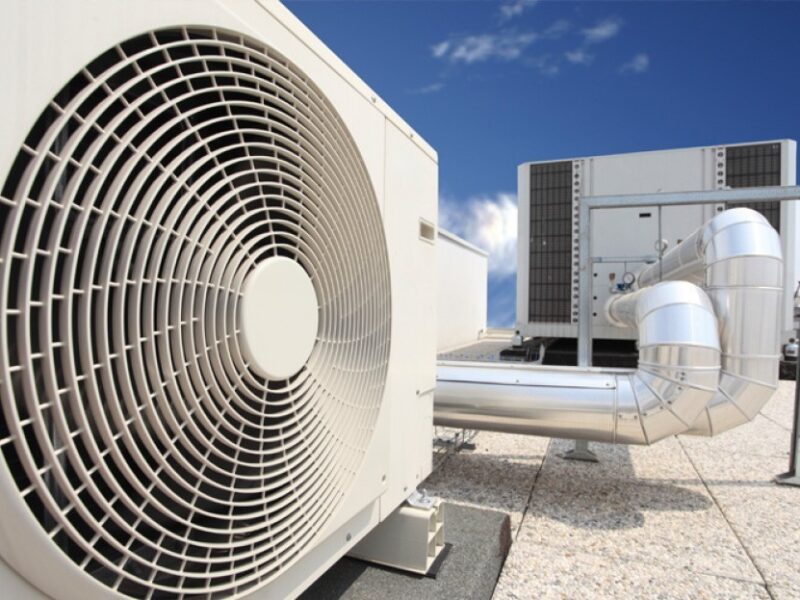
Storm season can bring heavy rain, lightning, high winds, and sudden utility failures that leave homes without electricity for hours or longer. Preparing early gives you time to protect food, charge communication devices, review safety plans, and address backup power needs before conditions become dangerous. Homeowners considering whole house generators for storm season should also think about system sizing, professional installation, routine maintenance, and the electrical loads they need to support. A complete plan combines reliable equipment with emergency supplies, safe habits, and clear household responsibilities, helping everyone respond calmly when the lights go out during severe weather or overnight.
Identify Your Essential Power Needs
Decide which systems must remain available if utility power fails. Refrigerators, lights, phones, security systems, medical devices, and cooling equipment may all be important. Your priorities should reflect household health needs, local temperatures, and the likely outage length.
Avoid assuming every appliance must run at once. Identifying essential loads makes it easier to conserve energy and select suitable backup power.
Build a Storm Outage Kit
Prepare supplies before severe weather enters the forecast. Keep everything in a dry, accessible location that all household members can find.
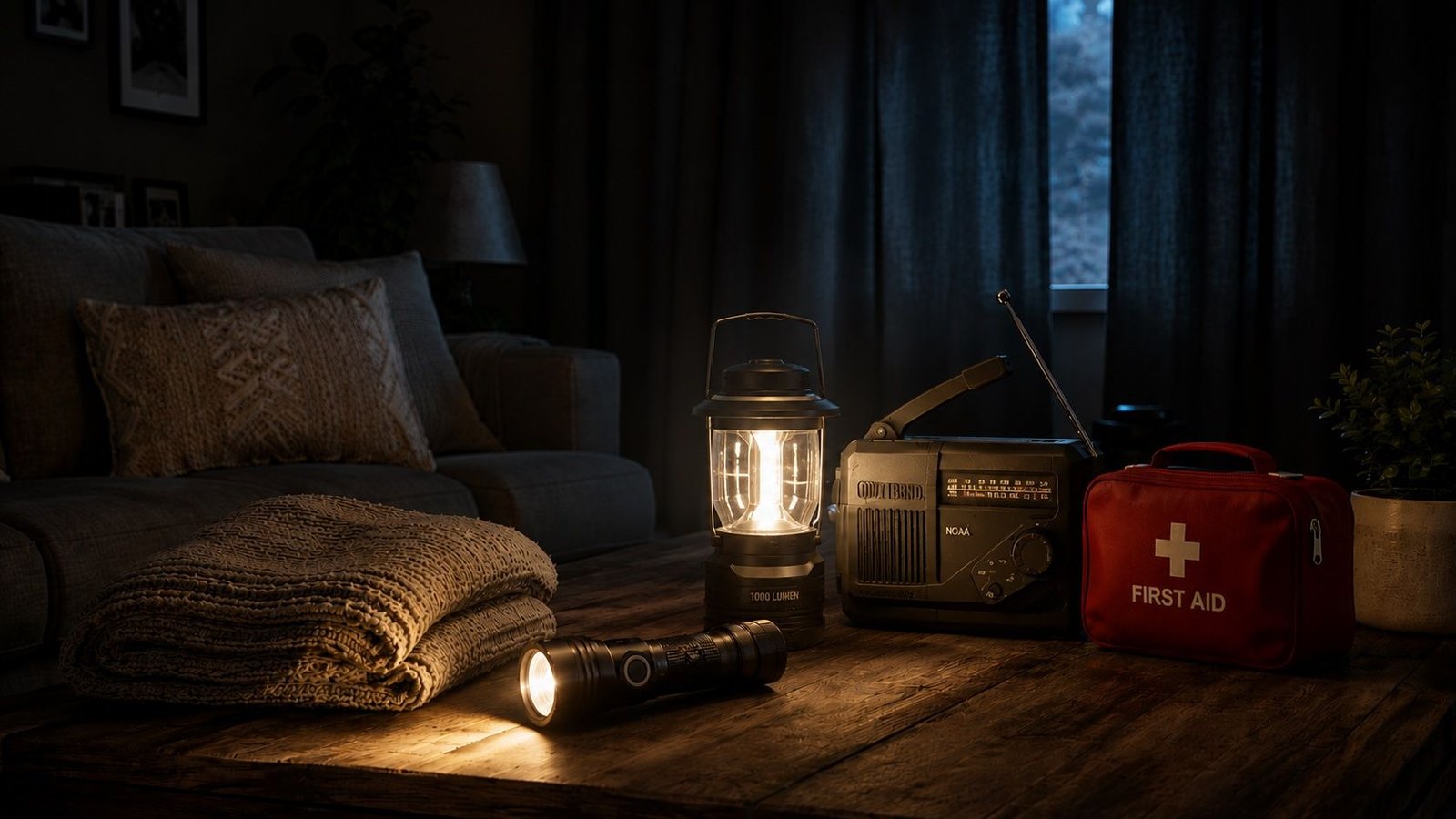
Useful supplies include:
- Flashlights and fresh batteries
- Portable phone chargers
- Drinking water and shelf-stable food
- A battery-powered weather radio
- First-aid supplies and medications
- Basic sanitation items
Review the kit before each storm season. Replace expired food, recharge battery packs, test flashlights, and update emergency contact information.
Safeguard Food and Electronic Devices
Keep refrigerator and freezer doors closed during an outage. Opening them repeatedly allows cold air to escape and reduces the time food remains chilled. Before a storm, freeze containers of water to help maintain a lower temperature inside these appliances.
Unplug sensitive electronics when power fails, especially during lightning. Electricity may return with voltage fluctuations that damage computers, televisions, gaming systems, and other equipment. Professionally installed whole-home surge protection can provide another layer of defense.
Prepare Backup Power in Advance
1. Choose the Circuits That Matter
List the systems you want backup power to support. A professional load evaluation can determine whether a generator should cover selected circuits or a larger part of the home.
Think about refrigeration, lighting, medical equipment, security systems, communication devices, and indoor cooling. Prioritizing these systems helps prevent unnecessary generator demand.
2. Rely on Professional Installation
A whole-house generator must connect through proper transfer equipment and controls. Professional installation helps prevent incorrect sizing, unsafe wiring, electrical overloads, and unreliable operation.
The generator should be selected according to the electrical needs of the property. A system that is too small may struggle to support important equipment, while improper connections can create serious safety risks.
3. Schedule Regular Maintenance
Routine inspections and maintenance can identify battery problems, worn components, fuel issues, or other warning signs before an outage occurs.
When comparing whole house generators for storm season, focus on correct sizing, safe electrical integration, dependable operation, and ongoing service rather than price alone. An undersized or poorly maintained system may not support the equipment your household relies on when severe weather interrupts utility power.
Develop a Household Power Outage Preparedness Plan
Everyone should know where emergency supplies are stored and how family members will communicate if mobile service becomes unreliable. Keep important phone numbers written on paper instead of relying only on a charged device.
The plan should account for children, older adults, pets, and anyone using electrically powered medical equipment. Review evacuation routes and nearby shelter information before severe weather arrives.
Assign simple responsibilities to different household members. One person may check emergency supplies, while another confirms that doors, windows, and outdoor items are secure. Clear responsibilities can reduce confusion when conditions begin to worsen.
Safe Operation of Backup Power Systems
Never operate a portable generator inside a home, garage, enclosed porch, or poorly ventilated space. Generator exhaust can create dangerous carbon monoxide exposure. Portable units must remain outdoors and away from doors, windows, vents, and other openings.
Do not connect a portable generator directly to household wiring without approved transfer equipment. This can create fire risks, damage electrical equipment, and send electricity back into utility lines.
Whole-house systems should be installed, inspected, repaired, and replaced by trained professionals. Homeowners should not attempt complex electrical or generator repairs without the correct knowledge and equipment.
Prepare Your Home Before the Storm Arrives
Charge phones, tablets, battery packs, and other communication devices while utility power is still available. Turn refrigerator and freezer temperatures down slightly so food begins the outage as cold as possible.
Secure outdoor furniture, tools, grills, and decorations that could become dangerous in strong winds. Clear access to electrical panels, emergency supplies, and backup power equipment.
Check doors and windows for leaks or damage. Heavy rain can enter through weak seals and affect electrical outlets, wiring, or appliances near the affected area.
Limit Energy Use During an Extended Outage
Backup power capacity is not unlimited. Avoid running several high-demand appliances at the same time unless the system was designed to support them.
Use lighting only where needed and switch off unused equipment. Limit how often refrigerators and freezers are opened. Charge communication devices when necessary rather than leaving every device connected continuously.
Managing electrical demand can reduce generator strain, conserve fuel, and help backup power remain available for essential systems.
Check the Home After Power Returns
Reconnect appliances gradually to avoid overloading the electrical system. Check for unusual odors, buzzing sounds, damaged outlets, tripped breakers, or devices that won’t restart. Do not touch damaged electrical parts or anything exposed to water.
Reset thermostats, clocks, security systems, and internet equipment, and replace any used emergency supplies. If a generator shows issues or warning signs, schedule professional service before the next storm.
Conclusion
Preparing for a power outage is easier when you act before severe weather approaches. Identify essential electrical needs, build an emergency kit, protect food and electronics, and create a clear household response plan. Backup power should be selected carefully, installed professionally, and maintained regularly so it is ready when utility service fails. Review your supplies and equipment at least once each season, and keep instructions accessible so everyone can respond safely. With proper planning and whole house generators for storm season, your home can stay safer and better prepared for extended outages.