Introduction – Pest Problems Rarely Stay Small for Long
Many pest problems begin quietly. A single insect in the kitchen, a scratching sound in the wall, or a few droppings in the garage might seem like a minor inconvenience. Because these early signs appear small and sporadic, homeowners often assume the problem will resolve on its own or that it is not serious enough to require immediate action.
However, pest infestations rarely remain small for long. When pests find reliable access to food, water, and shelter inside a property, they begin to reproduce and expand into new areas of the home. What starts as a small presence can quickly turn into a large infestation occupying multiple hidden spaces. Once pest populations grow beyond a certain point, control becomes significantly more difficult, more disruptive, and more expensive to manage.
Acting quickly when pests first appear is one of the most effective ways to prevent a manageable issue from becoming a widespread problem.
Why Pest Populations Increase Quickly
One of the main reasons pest infestations escalate so rapidly is the reproductive ability of many common household pests. Insects and rodents are biologically designed to reproduce quickly in favourable environments. Once they find a stable location with access to food and shelter, population growth can accelerate dramatically.
Many pest species produce large numbers of offspring within a short period. Some insects can lay dozens or even hundreds of eggs during their lifetime, while others can complete an entire life cycle in just a few weeks. These overlapping generations allow populations to grow exponentially rather than gradually.
Rodents demonstrate a similar pattern. For example, a single female mouse can produce multiple litters in one year, with each litter containing several young that mature quickly and begin reproducing themselves. Under the right conditions, a small rodent presence can expand into dozens of animals within a matter of months.
Another reason infestations grow unnoticed is that pests prefer hidden environments. Wall cavities, roof spaces, subfloors, insulation, and storage areas provide ideal shelter for nesting and breeding. During the early stages of an infestation, most of the population remains concealed within these areas, allowing numbers to increase without obvious warning signs.
By the time pests begin appearing regularly in living spaces, the infestation is often already well established.
Risks of Delaying Pest Control
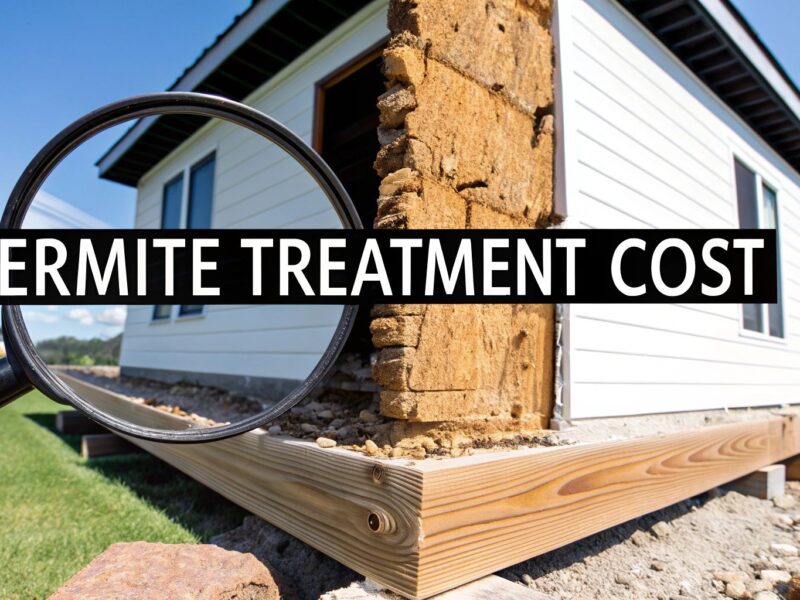
Ignoring early pest activity can lead to several serious consequences for homeowners and occupants. One of the most immediate risks is structural damage. Certain pests, particularly rodents and termites, can cause significant harm to building materials over time.
Rodents frequently gnaw on wiring, timber, and insulation as they build nests and explore their environment. This behaviour not only damages property but can also increase the risk of electrical hazards. Meanwhile, insects that feed on wood or plant-based materials can weaken structural elements if infestations remain undetected.
Another concern is contamination. Pests commonly travel through drains, waste areas, and outdoor environments before entering homes. As they move across food preparation surfaces, cupboards, and storage areas, they can spread bacteria and pathogens that pose health risks to occupants.
The longer pests remain active inside a property, the more widespread this contamination can become. Droppings, shed skin, nesting materials, and body fragments accumulate over time, creating unsanitary conditions that are difficult to clean without addressing the underlying infestation.
Delaying pest control can also allow populations to spread throughout the property. As pest numbers increase, individuals begin competing for resources and expanding their territory. This often leads them into new areas such as attics, basements, garages, and additional rooms within the home.
At this stage, localised treatments may no longer be effective because the infestation has spread across multiple hidden locations.
Why Early Intervention Matters
Addressing pest activity early offers several important advantages. First, it prevents colonies from reaching the stage where reproduction cycles overlap, and populations grow rapidly. Eliminating pests before they establish stable breeding zones significantly reduces the overall number that must be controlled.
Early intervention is also far more cost-effective. When infestations are detected early, targeted treatments can often resolve the issue quickly with minimal disruption. In contrast, large infestations frequently require multiple treatments, extensive inspections, and more involved control measures.
Research into pest management consistently shows that early detection allows for more efficient and less invasive control strategies. When pests are managed during the initial stages of infestation, fewer resources and less time are required to eliminate the problem.
Another benefit of acting quickly is the opportunity to identify and address the environmental factors that allowed pests to enter in the first place. Small cracks, gaps, moisture sources, and food availability can all attract pests to a property. Early inspections allow these issues to be corrected before they support long-term infestations. This proactive approach helps prevent future pest problems while resolving the current one.
When to Seek Professional Help
Many homeowners attempt to manage pests on their own using traps, sprays, or over-the-counter products. While these methods can sometimes reduce visible pest activity temporarily, they often fail to address the root cause of the infestation.
Surface treatments typically target only the pests that are visible at the time of application. They may not reach eggs, larvae, or nesting areas hidden inside walls, ceilings, or subfloor spaces. Because many pests reproduce quickly and hide in protected areas, untreated individuals can continue breeding and eventually re-establish the population.
This is why searching for pest control near me becomes an important step when pest activity continues or increases. Professional pest technicians are trained to identify signs of infestation that homeowners may overlook, such as nesting areas, entry points, and environmental conditions that support pest survival.
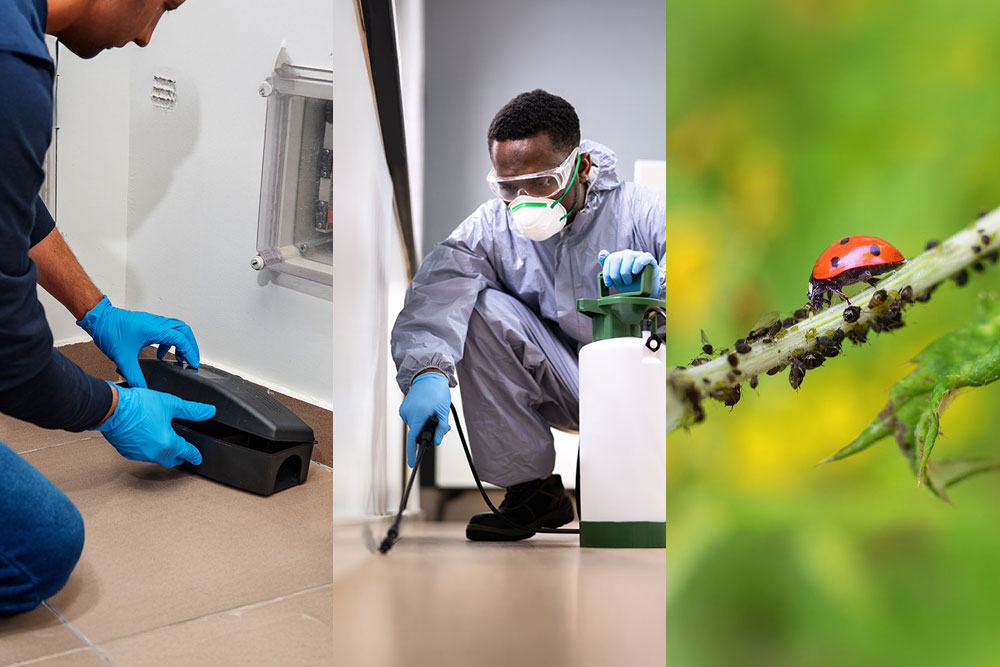
A professional inspection usually includes evaluating potential entry points around the property, examining structural voids where pests may be nesting, and identifying food or moisture sources that attract pests indoors. Once these factors are identified, targeted treatment plans can be developed to eliminate the existing population and reduce the likelihood of future infestations.
Professional pest control also often includes monitoring and follow-up treatments. Because many pests have life cycles that include eggs and juvenile stages, additional visits may be scheduled to ensure newly hatched pests are eliminated before they reach reproductive maturity.
Long-Term Prevention Strategies
While professional treatment is essential for active infestations, prevention remains one of the most effective pest control strategies. Eliminating the conditions that allow pests to thrive helps ensure infestations do not return after treatment.
One important step is sealing potential entry points. Small cracks around windows, doors, foundations, and utility openings can provide access for insects and rodents. Closing these gaps prevents pests from entering and reduces the likelihood of future infestations.
Proper food storage is another key factor. Keeping food sealed in airtight containers and cleaning up crumbs or spills promptly reduces the resources that attract pests indoors. Waste should also be disposed of regularly and stored in secure bins to avoid attracting insects and rodents.
Moisture control is equally important. Many pests are drawn to damp environments, so repairing plumbing leaks, improving ventilation, and addressing standing water around the property can significantly reduce pest activity.
Regular inspections of roof spaces, basements, and storage areas can also help detect early signs of pest presence. Catching infestations early allows homeowners to address them before populations expand and spread throughout the property.
Conclusion
Pest problems rarely resolve on their own. In most cases, they worsen over time as populations reproduce, spread, and establish themselves in hidden areas of the home. What may begin as a small and manageable issue can quickly become a widespread infestation affecting multiple parts of a property.
Acting quickly when pest activity is first noticed is essential for protecting both property and health. Early intervention prevents colonies from growing, reduces treatment complexity, and minimises the damage pests can cause.
For homeowners noticing increasing pest activity, searching for reliable pest control near me can provide access to experienced professionals who can identify the source of the problem and implement effective solutions. Addressing infestations promptly not only resolves the immediate issue but also helps prevent larger and more expensive pest control challenges in the future.